DEXA vs. Inbody vs. Bod Pod
DEXA Scan vs. InBody vs. Bod Pod: Which Body Fat Test Is Most Accurate?
When you’re serious about your fitness journey, “close enough” doesn’t cut it. You want real, reliable data — not estimates that shift with the weather.
That’s where body composition testing comes in. But with options like DEXA scans, InBody, and Bod Pod, which one truly gives you the most accurate picture of your health?
Let’s find out.
⸻
What Is a DEXA Scan?
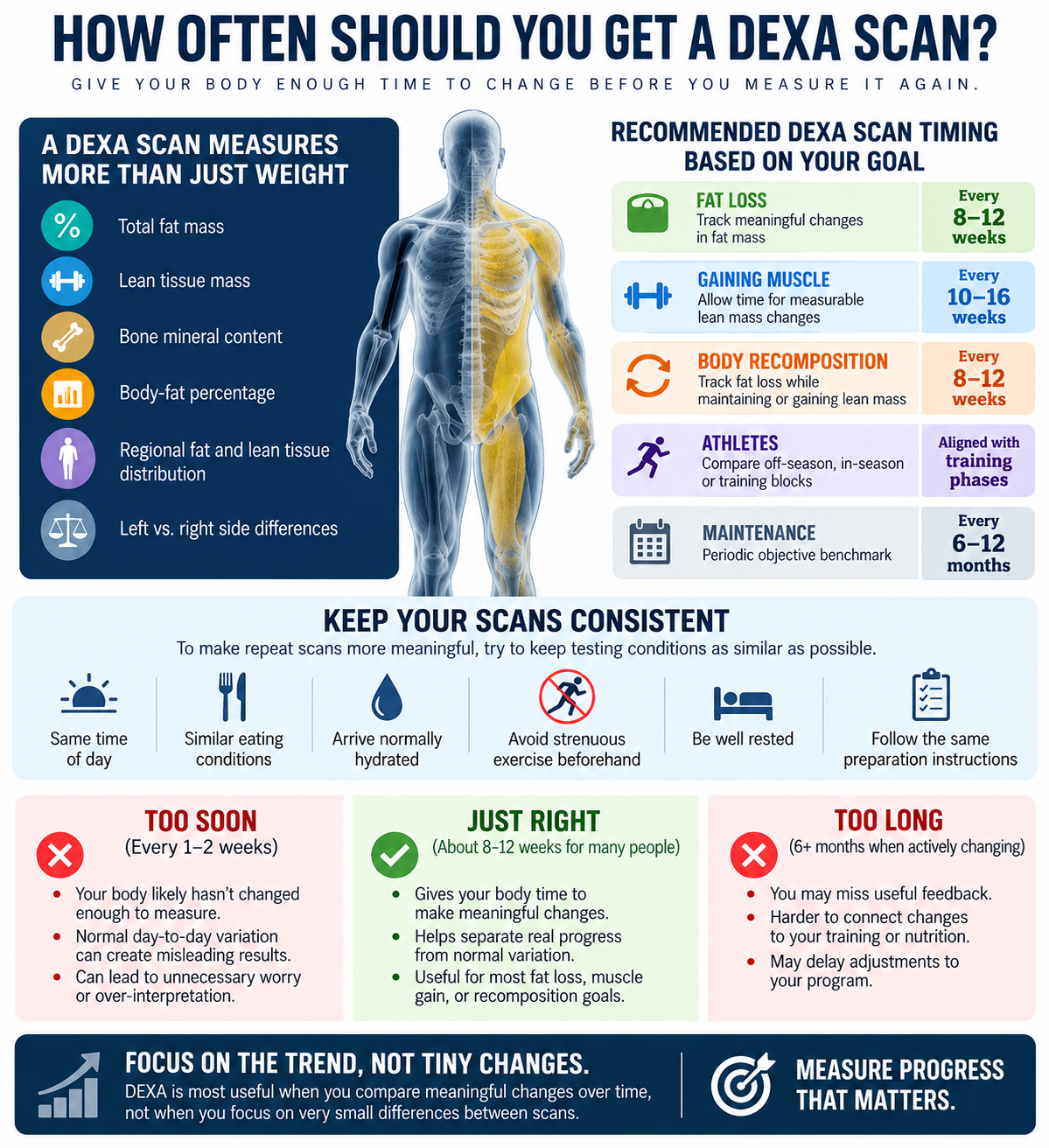
DEXA (Dual-Energy X-ray Absorptiometry) is widely recognized as the gold standard for measuring body composition.
Originally designed for bone density testing, the DEXA uses two low-dose X-ray beams to measure:
• Body fat percentage
• Lean muscle mass
• Bone mineral density
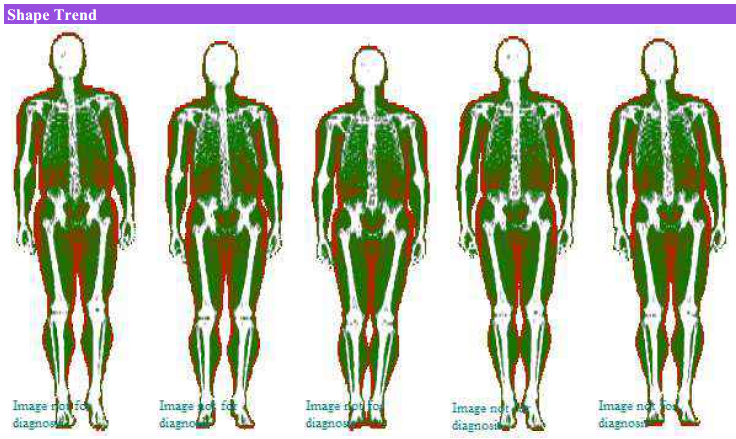
Because the scan analyzes your body segment by segment—arms, legs, and trunk—it provides insight that’s far more detailed than a single number.
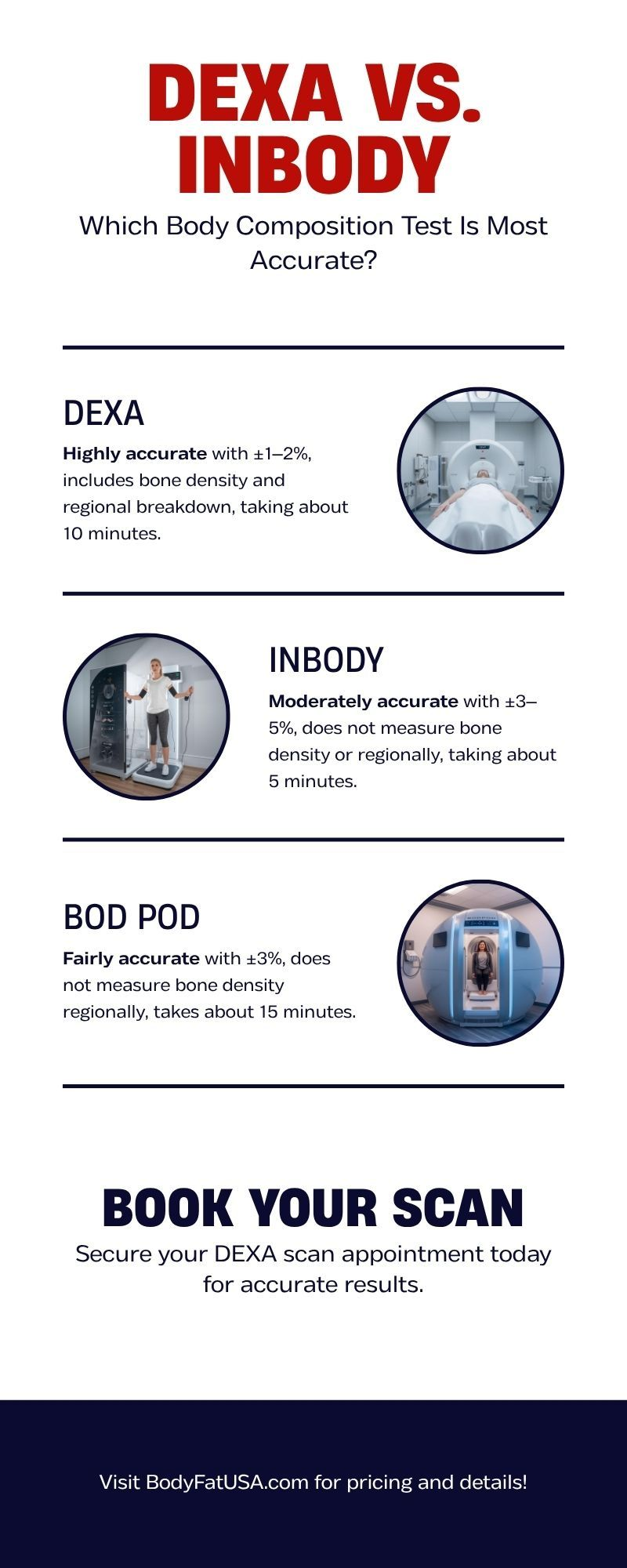
✅ DEXA scan accuracy: ±1–2% variance
That’s clinical-grade precision used in hospitals, sports labs, and research settings.
⏱ Scan time: About 7 - 12 minutes.
💡 Pro tip: No prep required—just show up and lie still.
⸻
What Is an InBody Test?
InBody and similar devices use bioelectrical impedance analysis (BIA). You stand barefoot on a platform and hold sensors while a small electrical current passes through your body. The device estimates fat and lean mass based on electrical resistance.
It’s convenient and widely available at gyms and health clubs—but it’s also sensitive to hydration, food intake, and time of day.
⚠️ A single glass of water can change your body fat reading.
InBody accuracy: ±3–5% variance (or more under real-world conditions)
⏱ Time: About 5 minutes.
It’s fine for tracking broad trends, but not reliable enough for medical or performance benchmarking.
⸻
What Is a Bod Pod Test?
The Bod Pod measures body composition through air displacement plethysmography. You sit in a sealed chamber, and it calculates your body density by how much air you displace.
In perfect lab conditions, the Bod Pod can be fairly accurate—around ±3%—but clothing, hair, and even breathing patterns can throw it off.
It also lacks regional data, so you won’t know where your muscle or fat is distributed.
⸻
DEXA vs. InBody vs. Bod Pod: The Comparison
Test Type Accuracy Measures Bone Density Regional Breakdown Affected by Hydration Average Time
DEXA Scan ±1–2% ✅ Yes ✅ Yes ❌ No ~10 min
InBody (BIA) ±3–5% ❌ No ❌ No ✅ Yes ~5 min
Bod Pod ±3% ❌ No ❌ No ⚠️ Slightly ~15 min
⸻
Why DEXA Comes Out on Top
When accuracy and consistency matter, DEXA wins every time.
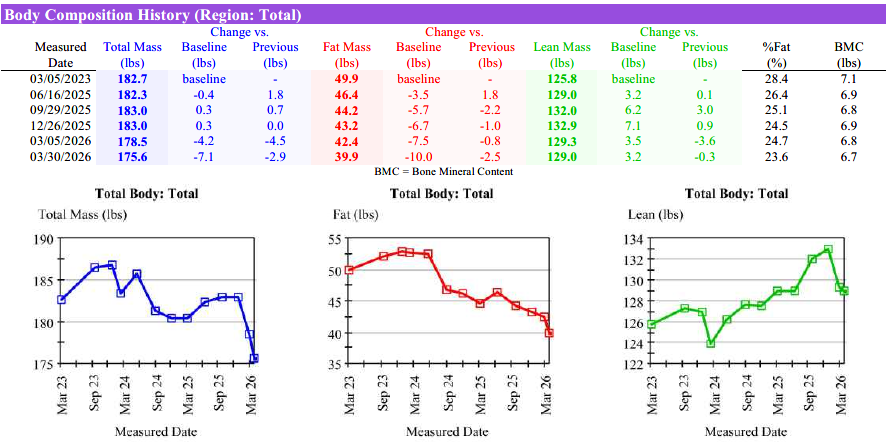
Unlike other tests, DEXA scans provide repeatable, actionable results—allowing you to measure fat loss, muscle gain, and bone health with confidence.
That means no guessing, no hydration tricks, and no relying on averages.
In short:
If you want to see your progress instead of hoping for it, DEXA is the way to go.
⸻
Get Your DEXA Scan at Body Fat USA
At Body Fat USA, we use a GE Lunar Prodigy DEXA system—the same model trusted by research institutions and pro sports programs.
Each scan includes:
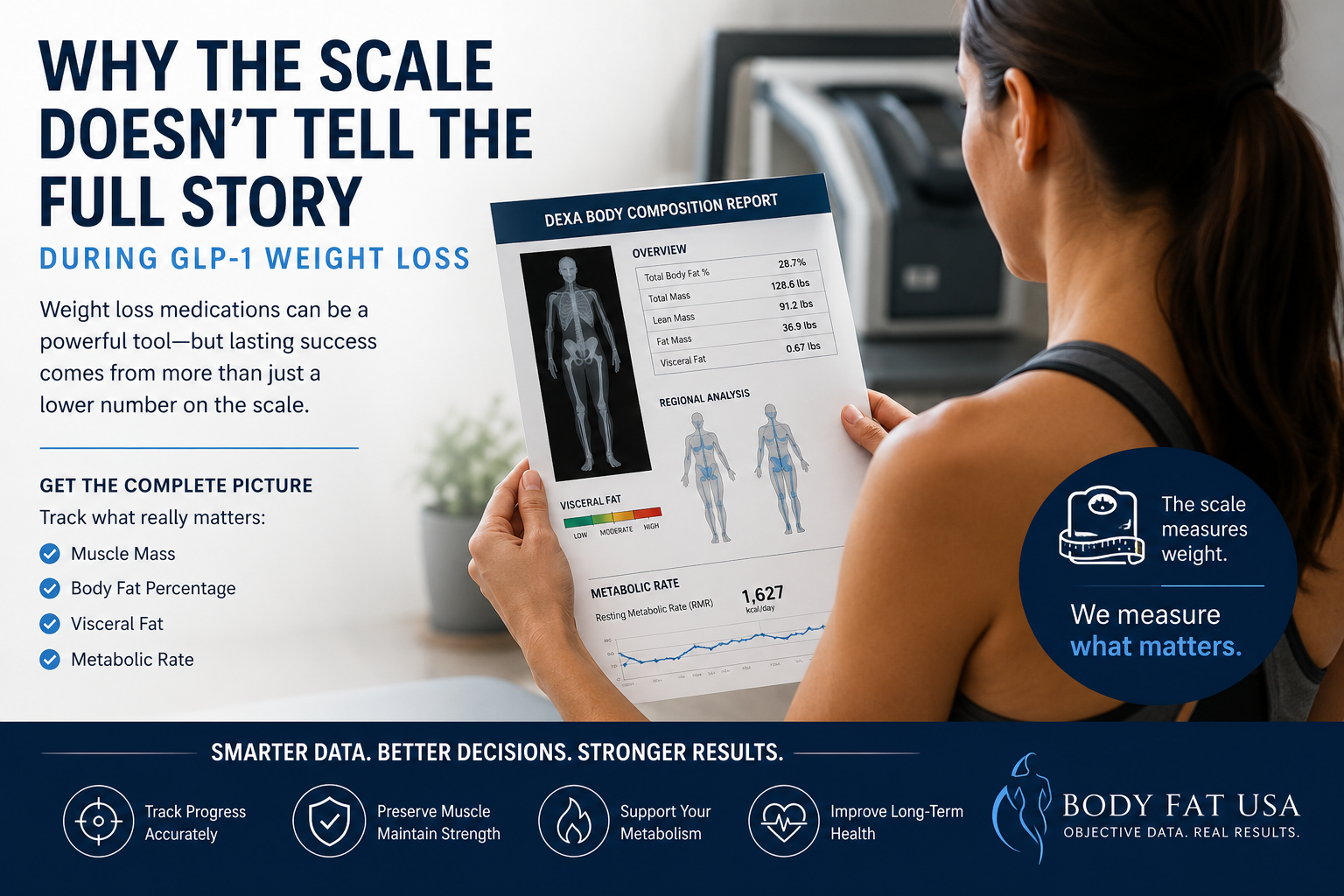
• Total body fat, lean mass, and bone density
• Segmental (arms, legs, trunk) breakdown
• Visceral fat measurement
• Progress tracking for long-term comparison
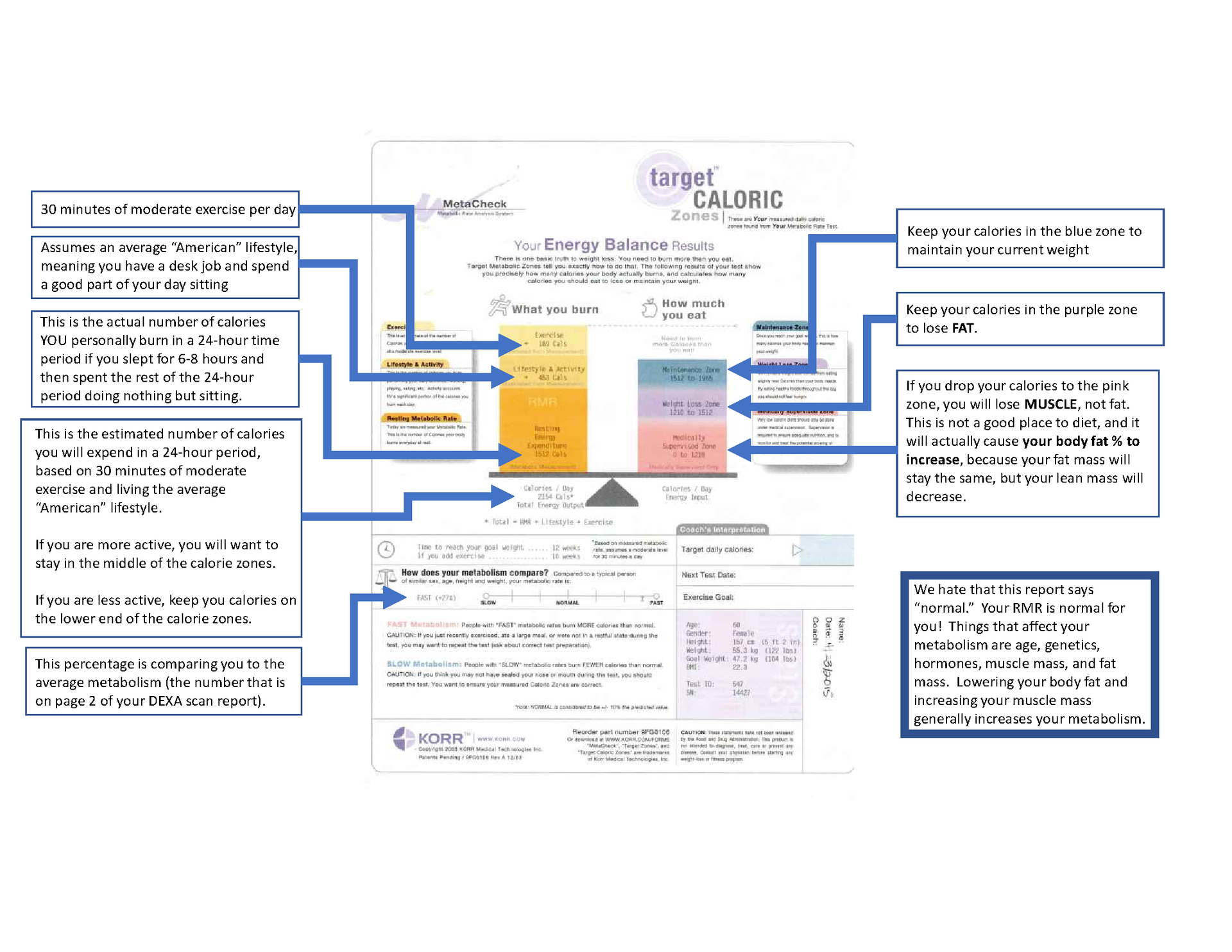
DEXA Scan: $85 or Combo with Resting Metabolic Rate (RMR) Test: $175
👉 Book your DEXA Scan now at www.BodyFatUSA.com
⸻
Key Takeaways
• DEXA Scan = Most accurate, detailed, and consistent
• InBody = Convenient, but easily skewed by hydration
• Bod Pod = Decent lab tool, limited practical use
• Best for athletes, dieters, and anyone tracking serious goals: DEXA.
Ready to book your DEXA scan? CLICK HERE